Bacteria grow and transform elements at different rates, and as yet, quantifying this variation in the environment is difficult. Determining isotope enrichment with fine taxonomic resolution after exposure to isotope tracers could help, but there are few suitable...
Old soil carbon (C) respired to the atmosphere as a result of permafrost thaw has the potential to become a large positive feedback to climate change. As permafrost thaws, quantifying old soil contributions to ecosystem respiration (Reco) and understanding how these...
We present an approach to estimate the feedback from large-scale thawing of permafrost soils using a simplified, data-constrained model that combines three elements: soil carbon (C) maps and profiles to identify the distribution and type of C in permafrost soils;...
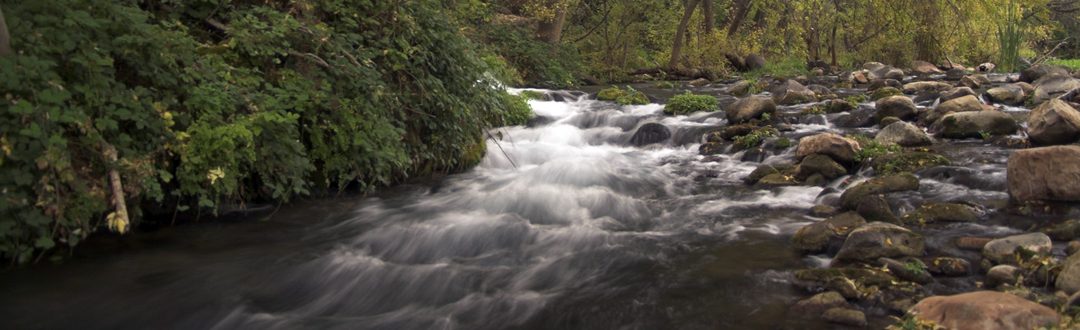
Fossil Creek Restoration Can we restore a river after a century of disturbance? Research in the Marks Lab has addressed the following questions: How did native species respond to restoration? Employing a BACI design (Before After Control Impact), we determined the...
Ecoss studies the interactions of plants with their physical and biotic environments at a fundamental level common to all organisms: gas exchange, energy balance, and water relations. We explore how plants make a living in diverse environments ranging from deserts to...