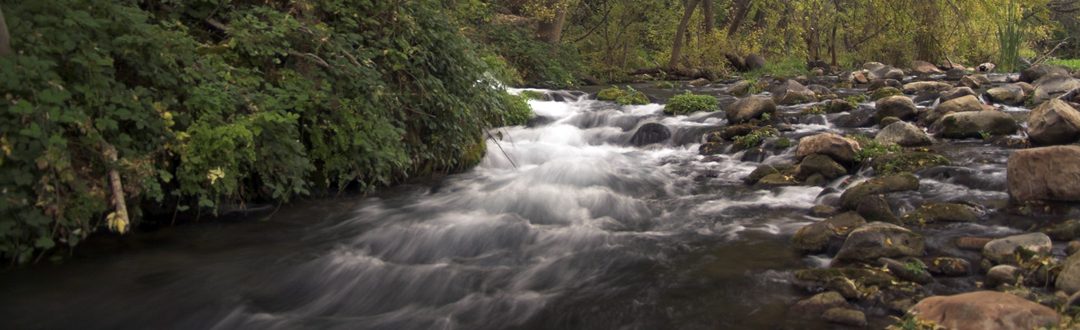
Fossil Creek Restoration Can we restore a river after a century of disturbance? Research in the Marks Lab has addressed the following questions: How did native species respond to restoration? Employing a BACI design (Before After Control Impact), we determined the...
Ecoss studies the interactions of plants with their physical and biotic environments at a fundamental level common to all organisms: gas exchange, energy balance, and water relations. We explore how plants make a living in diverse environments ranging from deserts to...
Aquatic ecosystems in the southwestern US are among the most threatened in the country: rates of species loss are high, with few remaining refuges for natives, and water extraction for human use and diversion for power generation impose major demands on the defining...
Overview The identities of organisms profoundly influence ecosystems, and microbial diversity is vast. The obvious disconnect between this diversity and its treatment in C cycling models is perhaps the best manifestation of the common complaint that so much...
Soil microorganisms are biogeochemical forces of global significance. They affect nutrient availability to plants, the amount of carbon stored in soils, and the evolution of the atmosphere over geologic time. The research we conduct in Ecoss examines many aspects of...
Describing the role of leaves in aquatic ecosystems based on functional communities, rather than structural communities (e.g. presence/absence), provides a useful way of describing the community and how different leaf types function as food resources. This approach...