Welcome to WordPress. This is your first post. Edit or delete it, then start writing!
Press Coverage: The NAU Review • Date: Dec 26, 2024. (Coverage of Koch et al. 2024 in Communications Medicine.) NAU Review Publication: https://www.nature.com/articles/s43856-024-00693-7
Press Coverage: The NAU Review • Date: Feb 6, 2025. (Context for the Science special collection on the Arctic; quotes Regents’ Prof. Ted Schuur.) NAU Review Publication: ...
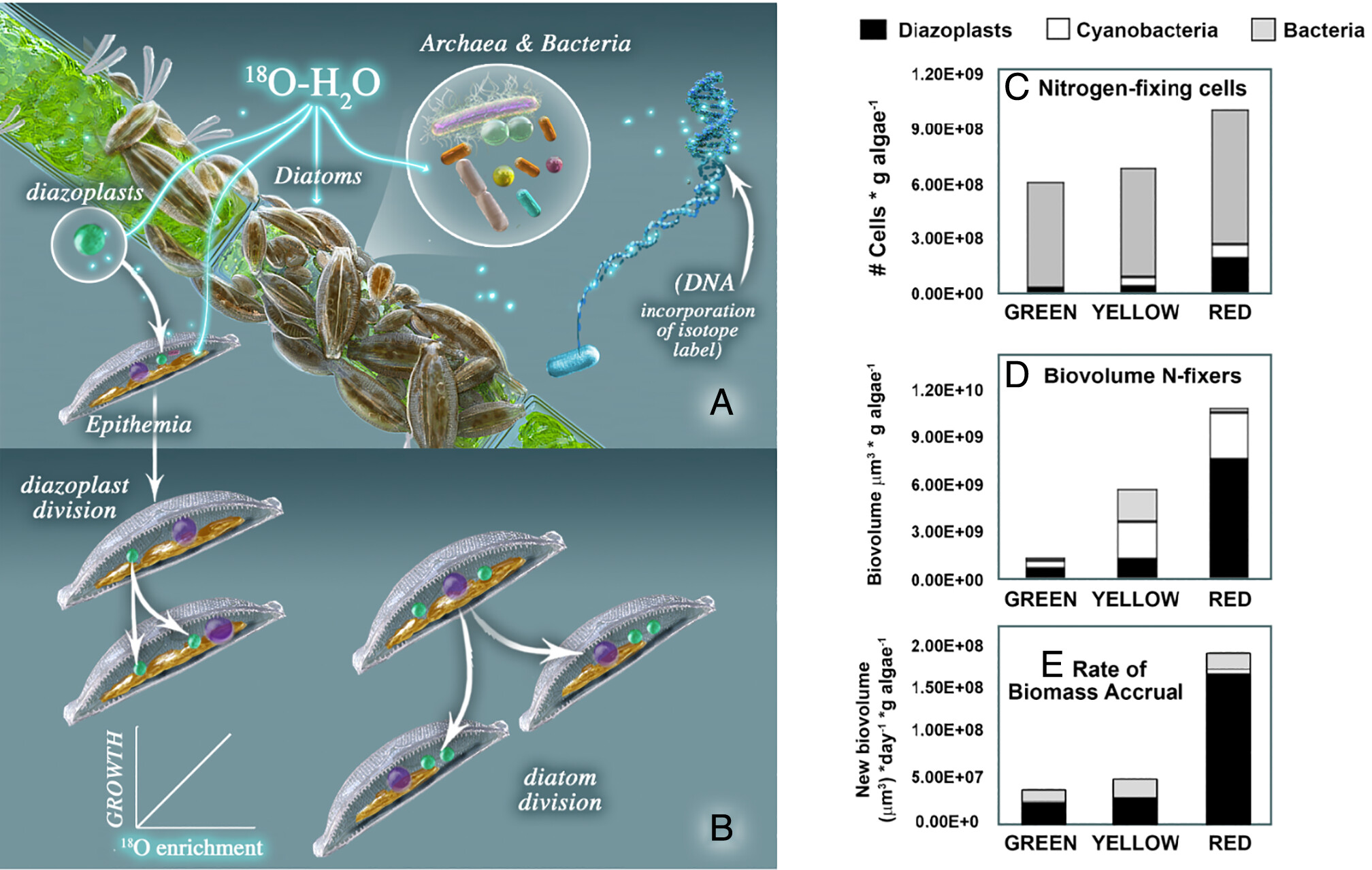
In the Eel River, the symbiotic triad of the green macroalga Cladophora, its Epithemia epiphytes, and the diazoplasts within Epithemia are embedded in a complex food web with thousands of other algal and bacterial species. Despite high species...
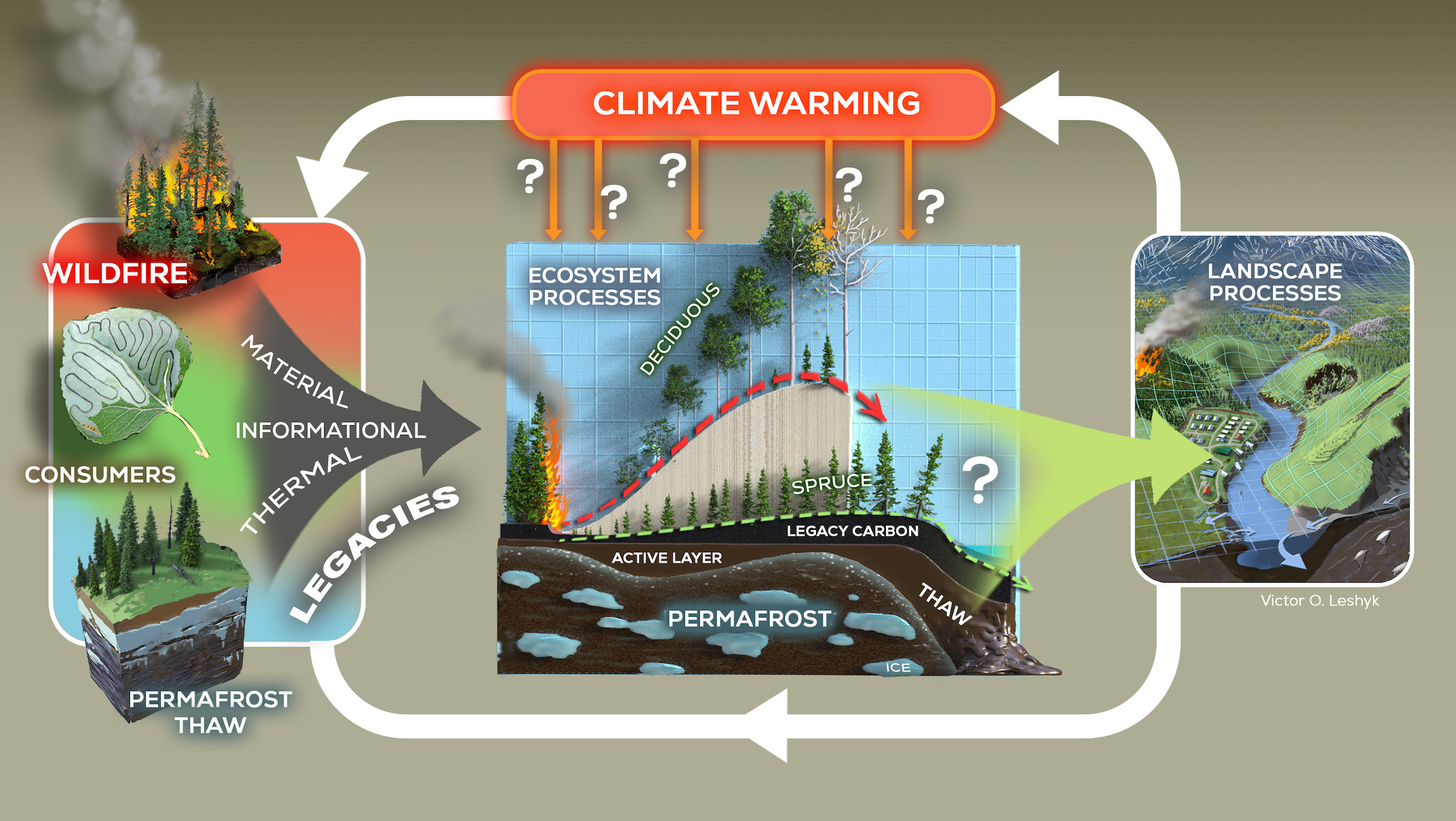
Ecological memory stored in a landscape can help an ecosystem recover from disturbances like fire and outbreaks of disease. But what happens when climate warming disrupts that process? How long before ecological memories stored in the warming Arctic are overwritten by...
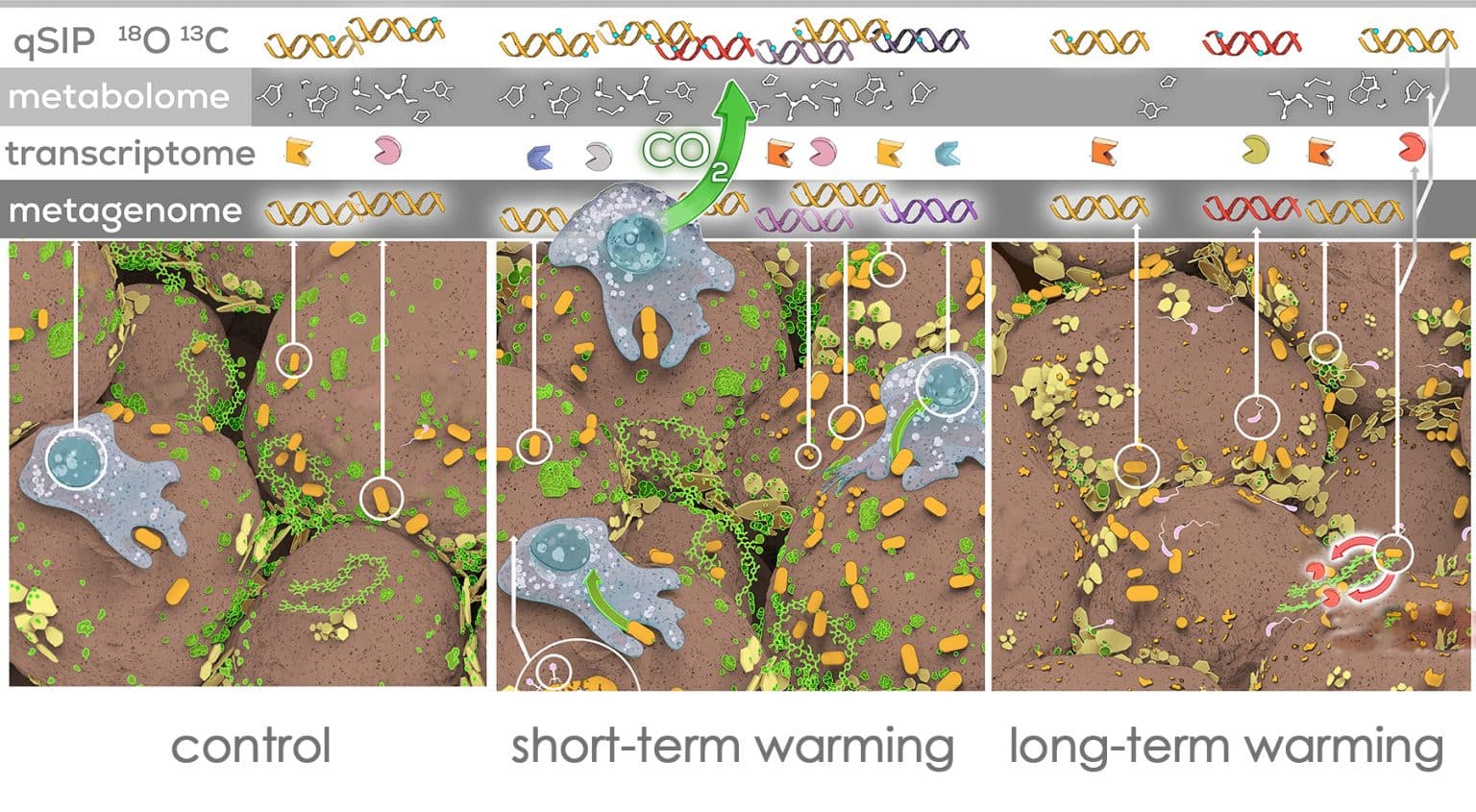
A study led by Northern Arizona University offers new evidence that a common framework to sort bacteria into two lifestyles doesn’t easily apply to bacteria living in wild soil. The findings, published in The ISME Journal, show that rather than bacteria...
In 2002, the Odyssey probe discovered evidence of past ice on Mars. The U.S. Congress authorized the Iraq War resolution. The Anaheim Angels won the World Series. And in a meadow 15 miles north of Flagstaff, scientists began to monitor and move small plots of soil...
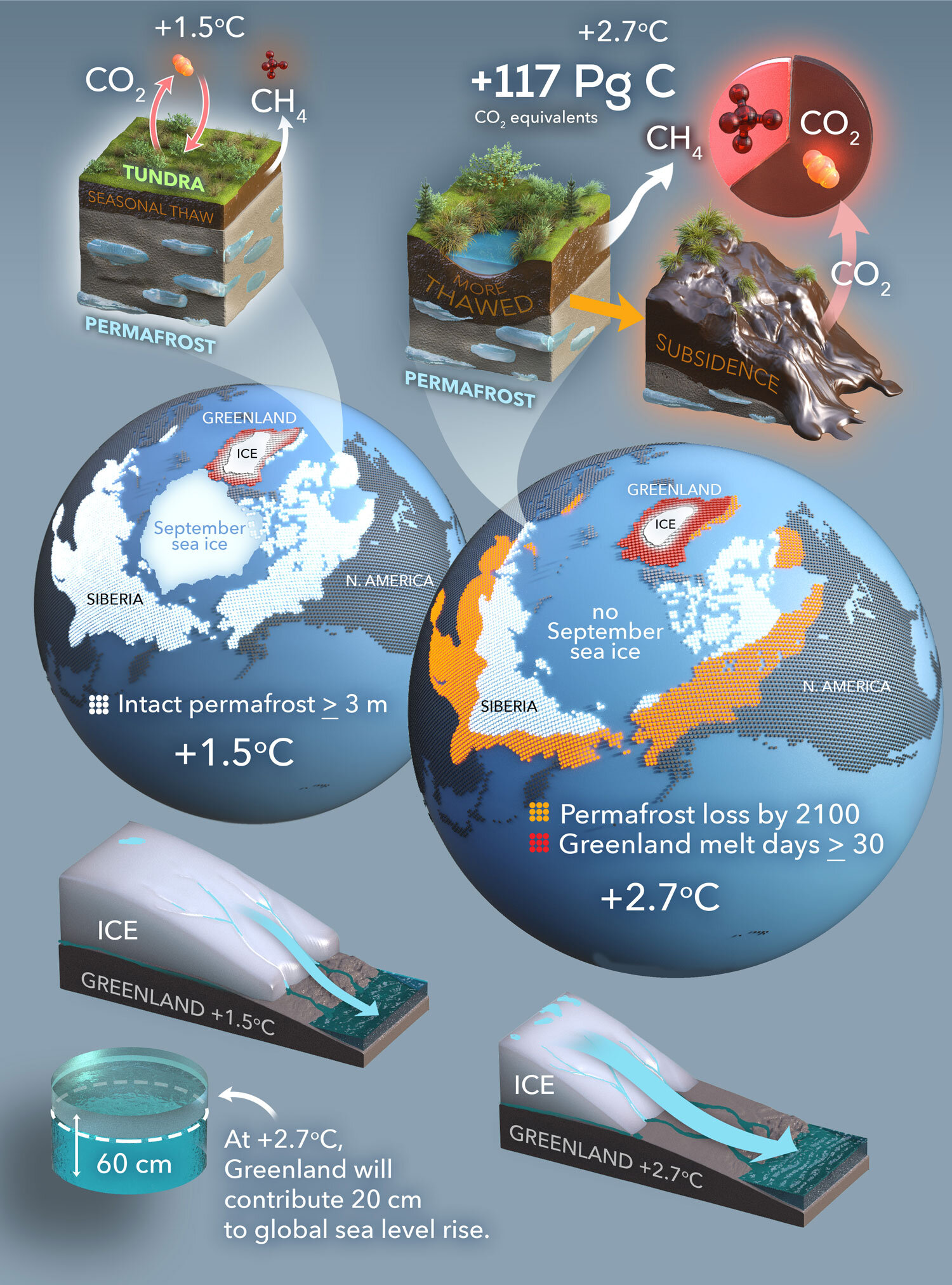
By the end of this century, permafrost in the rapidly warming Arctic will likely emit as much carbon dioxide and methane into the atmosphere as a large industrial nation, and potentially more than the U.S. has emitted since the start of the industrial...
The Center for Ecosystem Science and Society (Ecoss) at NAU has been named one of 15 new partner institutions of the AGU Bridge Program, which works to support students in applying to and succeeding in graduate school in the Earth sciences. Ecoss and the other new...
The tiny cosmos of organisms living on a streamer of algae in a river—the algal microbiome—could help scientists learn what turns an environment from healthy to toxic and back again. A multidisciplinary team led by Northern Arizona University has won $3 million from...