Ecoss professor Ted Schuur is part of a select group of scientists charged with producing a landmark report examining the effects of climate change on oceans and the frozen world and what steps people must take to reduce those effects. In July, Schuur found out that...
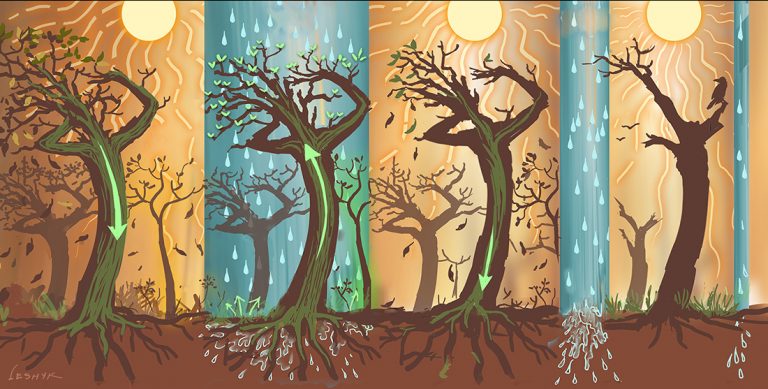
In a new paper published in Nature, research assistant professor Christopher Schwalm of Northern Arizona University’s Center for Ecosystem Science and Society (Ecoss) shares the results of a study investigating the impact of more frequent droughts on ecosystem...
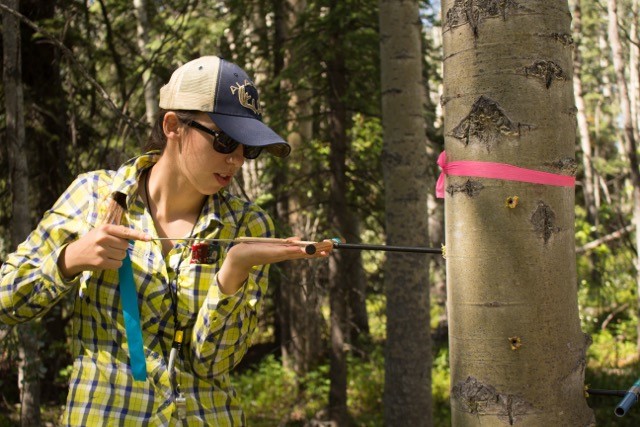
Nitrogen isotopes in tree rings record the history of the nitrogen cycle—the critical nutrient that limits growth in many US forests. ECOSS faculty member Michelle Mack, along with colleagues from seven other institutions, recently published a paper that shows...
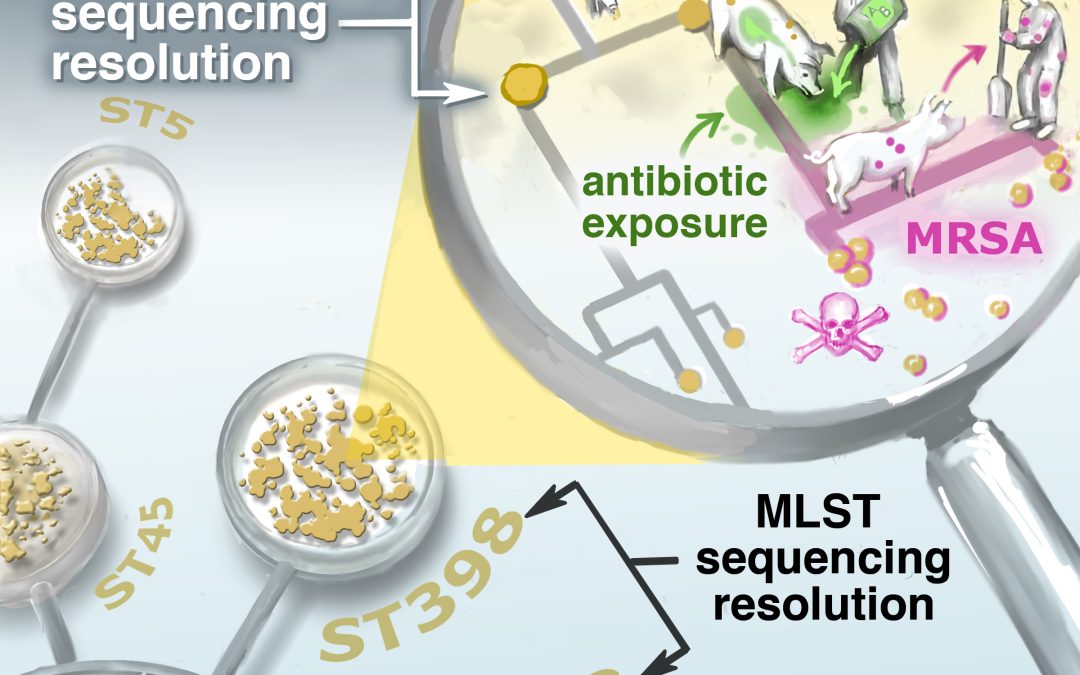
Antibiotic-resistant bacteria are widespread and are increasingly associated with human infections. Inappropriate antibiotic use – both in people and in animals raised for food – drives the evolution of multi-drug-resistant pathogens and threatens a post-antibiotic...
Scientists believe that biochar, the partially burned remains of plants, has been used as fertilizer for at least 2,000 years in the Amazon Basin. Since initial studies published several years ago promoted biochar, farmers around the world have been using it as a soil...
Wildflowers splashed across a meadow in different sizes, shapes and colors offer more than just beauty. The natural mix of plant species in an ecosystem—its biodiversity—helps it grow faster and cycle nutrients more efficiently. These ecosystem functions also deliver...