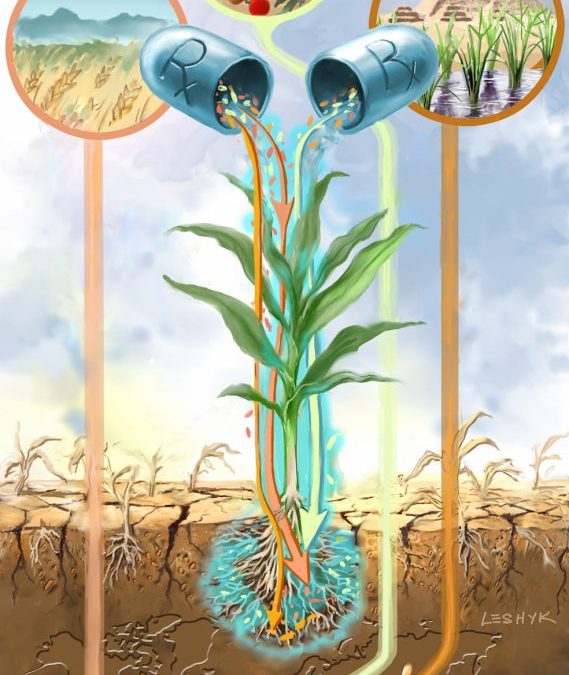
ECOSS researchers recently published findings in the scientific journal Plant and Soil showing that rhizosphere bacteria could help reduce crop losses due to drought. See the full article Listen to an interview by Knau with Rachel Rubin Watch an interview with Rachel...
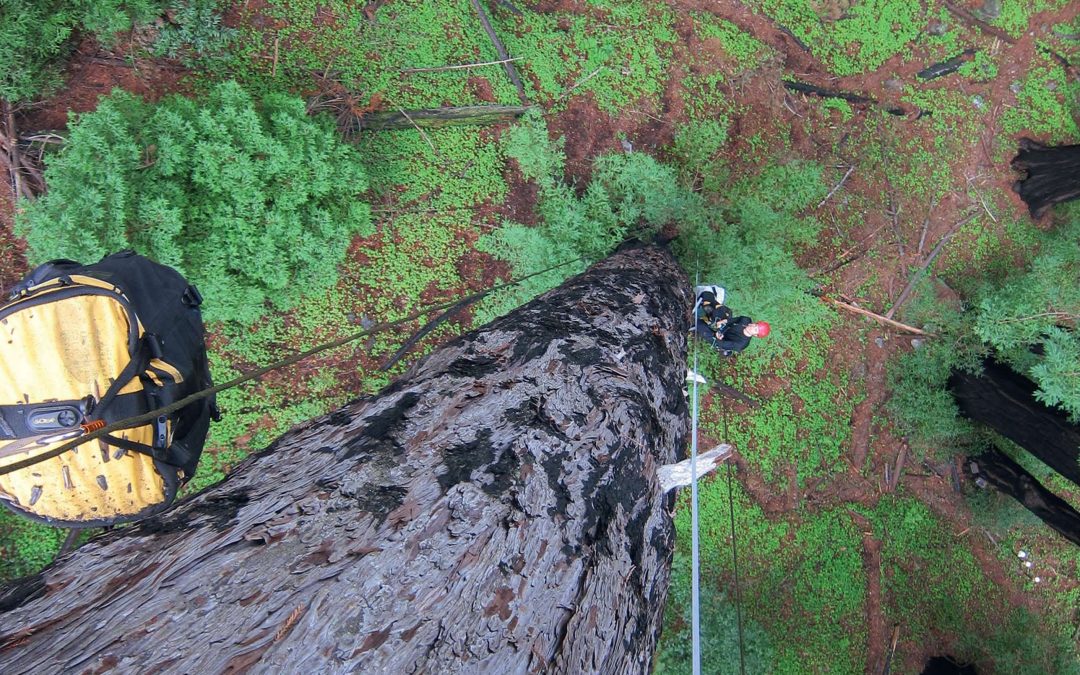
Ready to climb a California coast redwood (Sequoia sempervirens), to sample branches for fungi. In this issue, Harrison et al. delved into a largely unexplored reservoir of fungal diversity—the forest canopy—using a high-throughput sequence-based approach to...
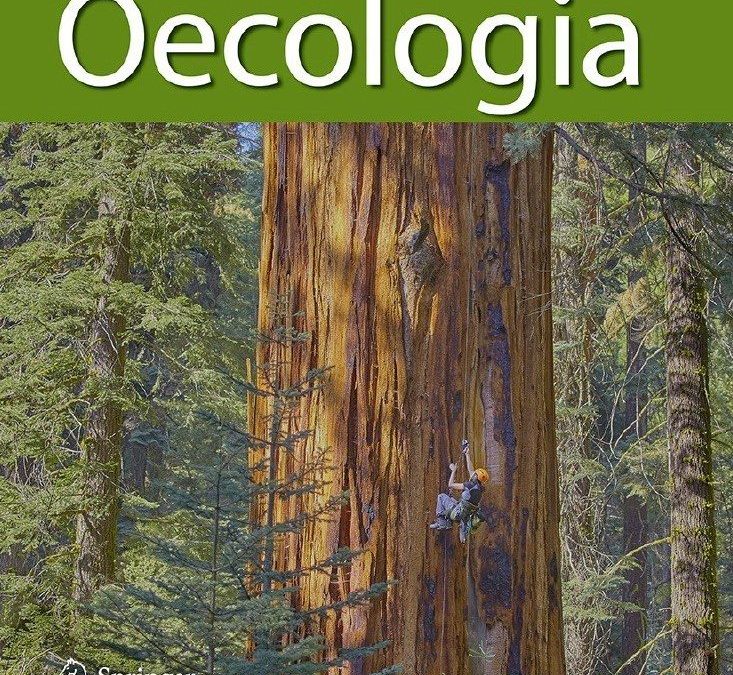
Giant Sequoia trees can be thousands of years old, are the most massive organisms on Earth, and reach astounding heights. But they can’t just keep on getting taller indefinitely, it seems. There are limits. Figuring out these limits and how they shape these...
Plants can grow faster as atmospheric CO2 concentrations increase, but only if they have enough nitrogen or partner with fungi that help them get it, according to new research published this week in Science. The study was lead by César Terrer Moreno, a PhD student at...
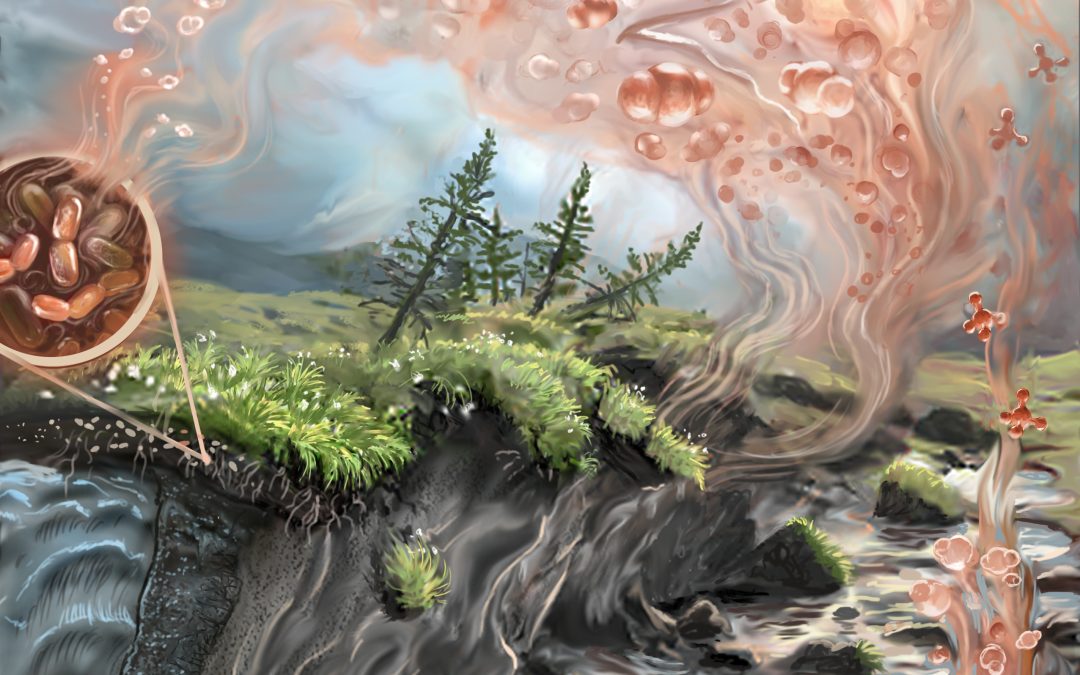
When it comes to climate change, not all carbon is created equal. Among greenhouse gases, methane is 34 times more potent than carbon dioxide. In this recent study published in Nature Climate Change, Northern Arizona University assistant research professor and lead...