The mass emergence of metamorphosed aquatic insect larvae as airborne adults provides an important seasonal pulse of prey biomass to many aquatic ecosystems. Ecoss research explored whether the type and quality of leaf litter on which these aquatic larvae feed makes...
Researchers at Ecoss helped to uncover a potent offset to carbon “drawdown” by plants: with more CO2 available to fuel photosynthesis in the air above, soil microbes consume more sugars oozing from the roots of the faster-growing plants and increase their own...
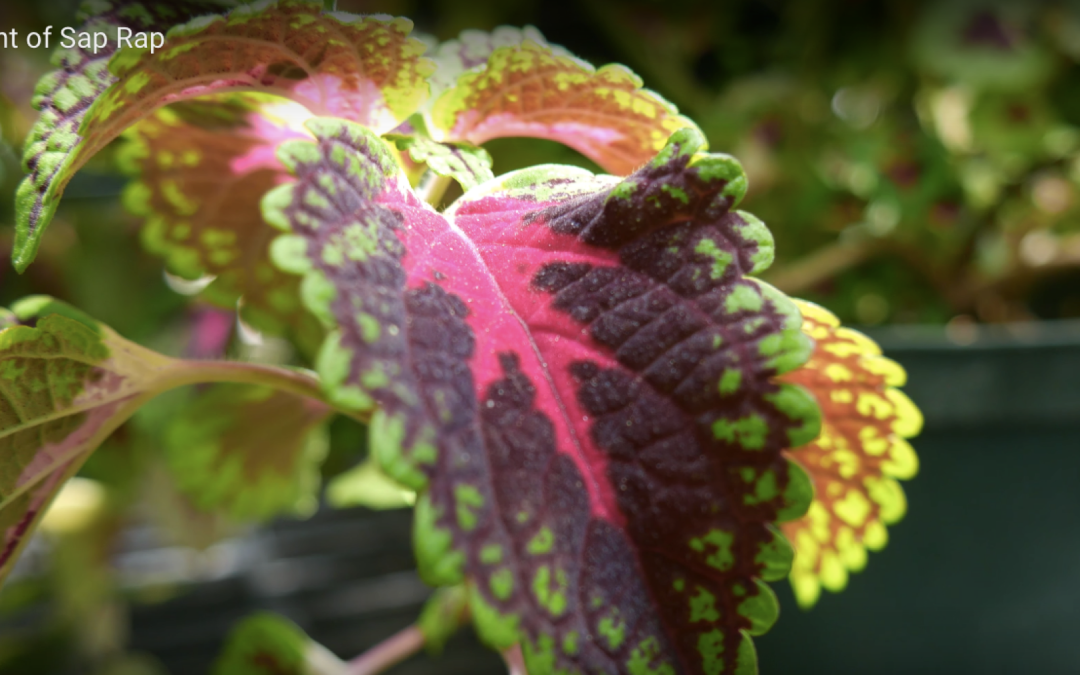
The latest Ecoss artistic product, “The Ascent of Sap Rap”, by George Koch and students from his “Plants and Climate” class. View the full video here. See lyrics below: For plants on terra firma it’s a struggle to stay wet We’ve talked a bit...
Species diversity affects the functioning of ecosystems, including the efficiency by which communities capture limited resources, produce biomass, recycle and retain biologically essential nutrients. These ecological functions ultimately support the ecosystem services...
Fertilizer inputs affect plant uptake of native soil nitrogen (N), yet the underlying mechanisms remain elusive. To increase mechanistic insight into this phenomenon, we evaluated the effect of fertilizer addition on mineralization (in the absence of plants) and plant...