As atmospheric nitrogen (N) concentrations increase, it can wreak havoc on the entire planet, as well as the fragile ecosystems, once it exceeds the demand of ecosystems. Chronically elevated N deposition affects litter decomposition, which is a crucial process that...
Elevated atmospheric N deposition threatens ecosystem health through eutrophication in terrestrial ecosystems, but little is known about consequences of N deposition in N-rich tropical ecosystems. We added several levels of N to an N-rich tropical forest and monitored...
Eight Ecoss students, faculty, and staff traveled to Detroit, MI in May 2018 to present their research at the Annual Meeting of the Society for Freshwater Science. Undergraduate researcher Zasha Welsh presented a poster, as did graduate students Courtney Roush,...
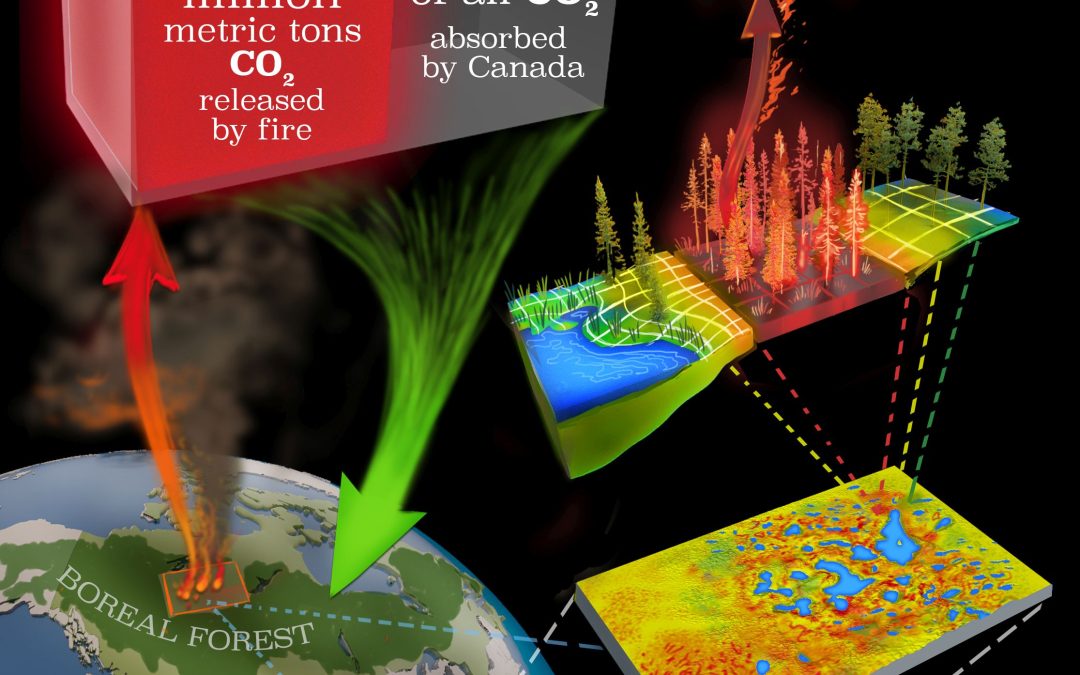
Climate warming and drying is associated with increased wildfire disturbance and the emergence of megafires in North American boreal forests. Changes to the fire regime are expected to strongly increase combustion emissions of carbon (C) which could alter regional C...
The boreal forest is home to one-third of the Earth’s forest cover and stores 40 percent of the planet’s terrestrial carbon. North America’s boreal forest alone, which spans the northern portion of the continent from Alaska all the way to Newfoundland, covers an...