Antibiotic‐resistant pathogens increasingly threaten human health. Widespread application of antibiotics to animal populations raised for food, including chickens, cattle, and pigs, selects for resistance and contributes to the evolution of those pathogens. Despite a...
At the global scale, the uptake of atmospheric carbon dioxide by terrestrial ecosystems through photosynthesis is commonly estimated through vegetation indices or biophysical properties derived from optical remote sensing data. Microwave observations of vegetated...
As leaves are the basic elements of plants that conduct photosynthesis and transpiration, vegetation leaf dynamics controls canopy physical and biogeochemical processes and hence largely influences the interactive exchanges of energy and materials between the land...
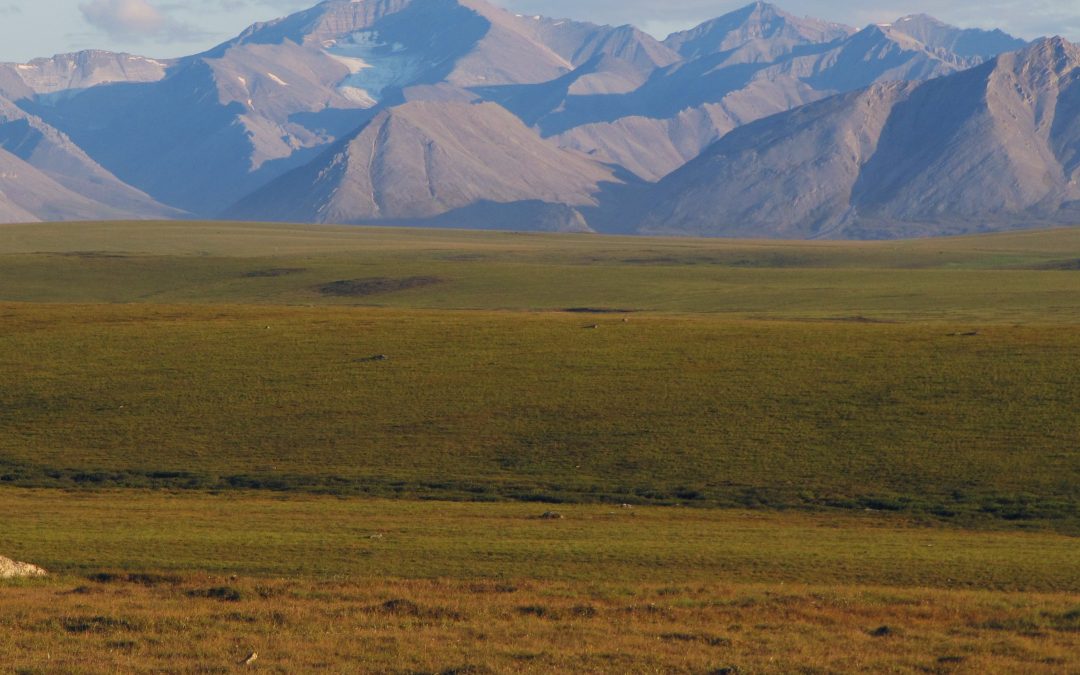
Findings of a new study organized by the Permafrost Carbon Network suggest that putting more effective greenhouse gas controls in place for the rest of this century could help mitigate the effects of climate change on the release of carbon from thawing soils of the...
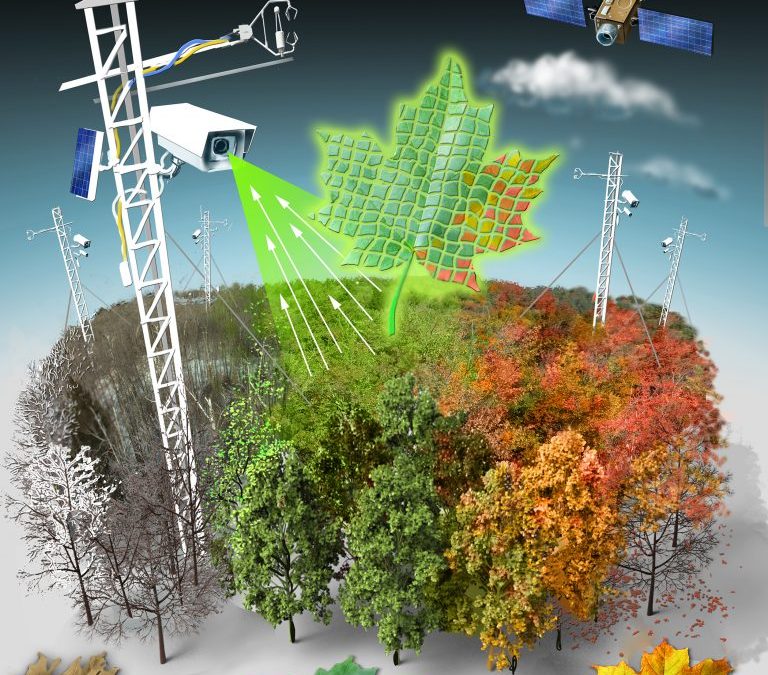
A new paper by Northern Arizona University professor Andrew Richardson published in the journal Scientific Data describes a vast network of digital cameras designed to capture millions of images documenting seasonal changes of vegetation across North America. The...