

The Soil Whisperer
Paul Dijkstra · Microbial Metabolism and Ecology · Ecoss · Northern Arizona UniversityImagine plants could tell you how they feel.
They would tell you when they need water, nutrients, and whether there is too much sun or not enough. Growing healthy plants would be a lot easier. We can’t do that yet.
But we can listen to microbes in soil.
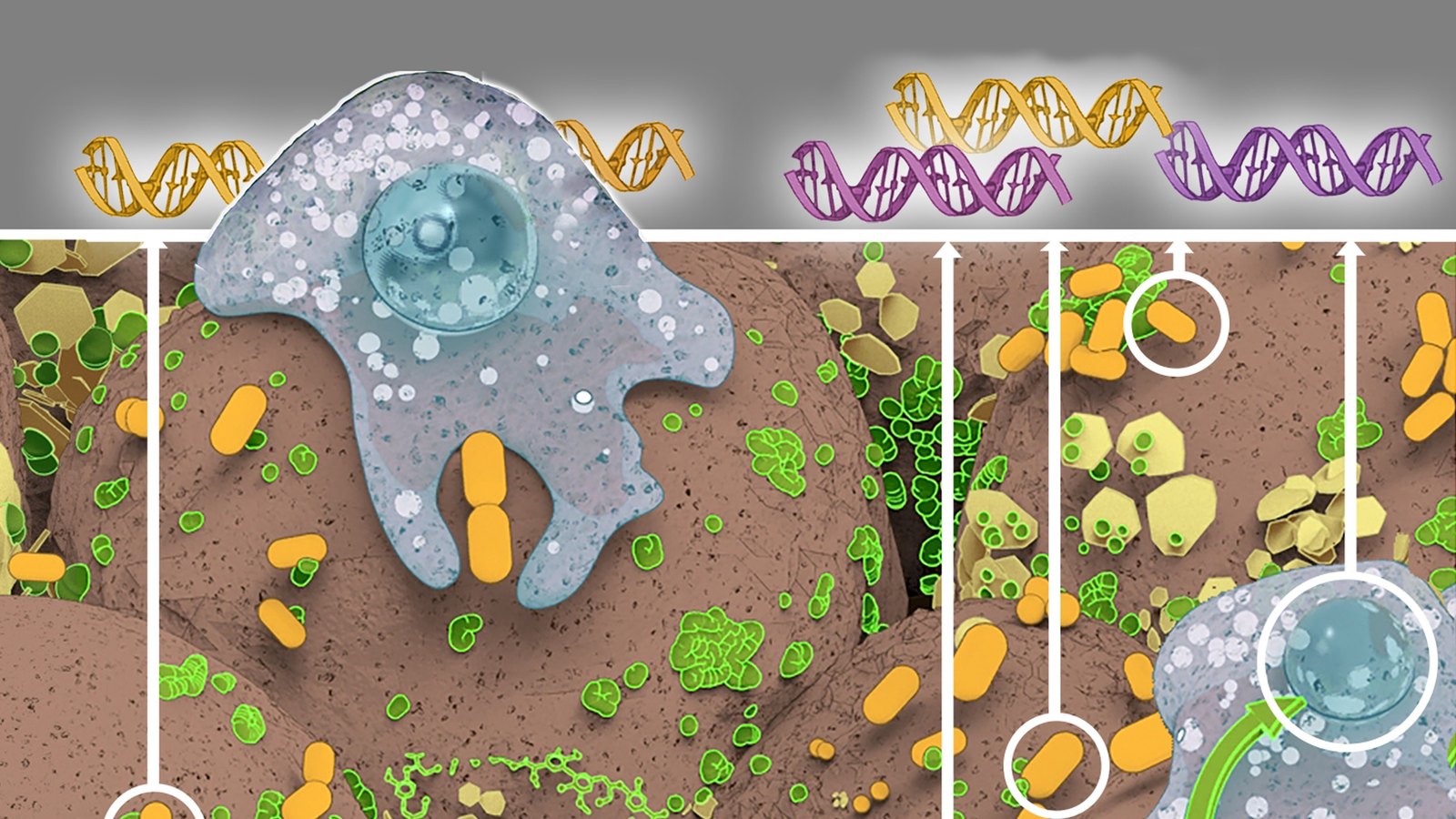
Well, because microbes…
Build soil organic matter
Reduce soil erosion and dust
Improve soil health
Increase crop yield
When we listen carefully to what microbes are telling us, we can make better decisions for farmers, communities, and future generations.
Happy microbes grow… …and tell us what they need.
Listening to soil microbes
Using advanced DNA sequencing, we can tap into the hidden conversations among soil microbes. By combining growth measurements (qSIP) with gene-expression analysis, we can learn when microbes are ‘happy’ or what they are ‘stressed’ about.
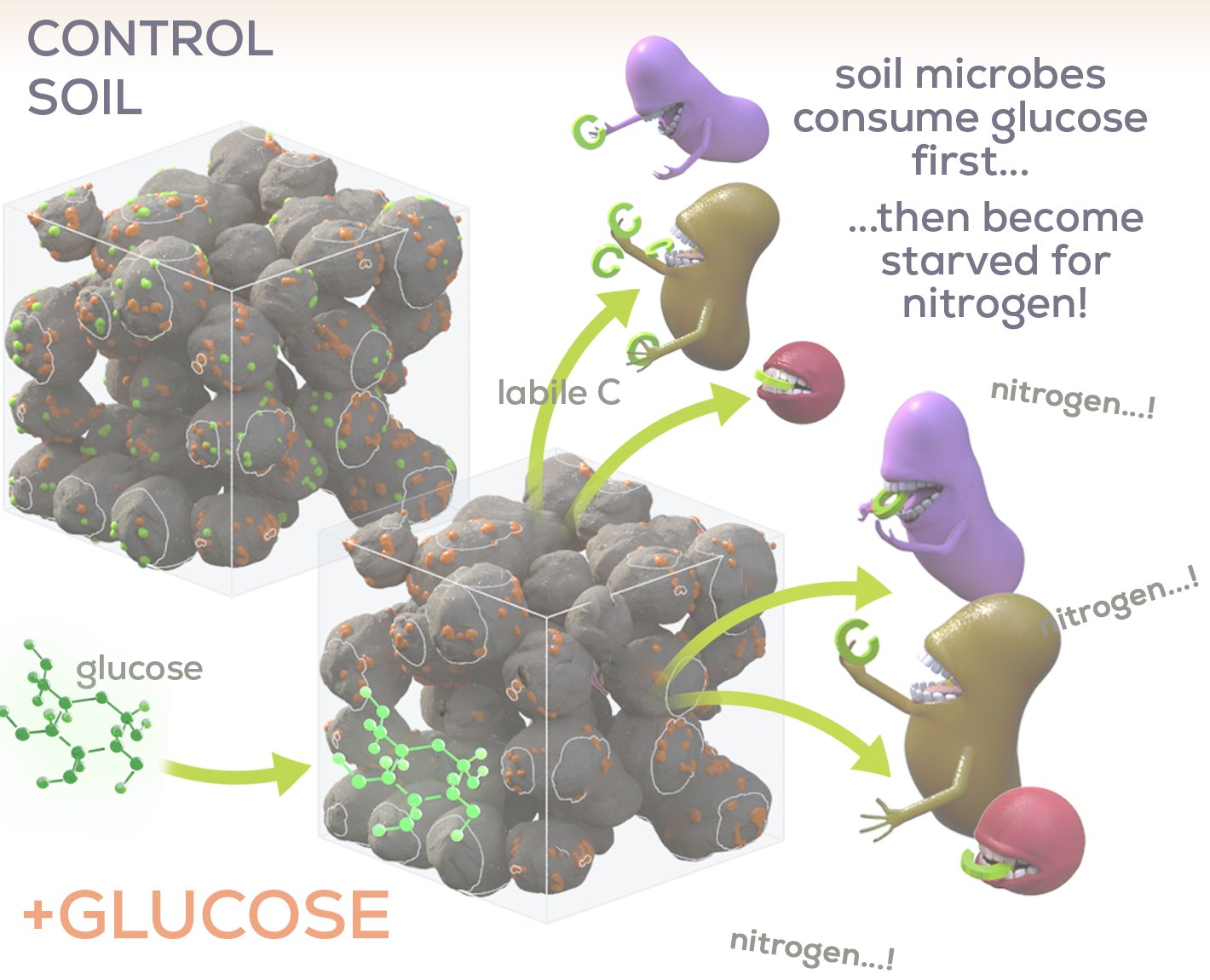
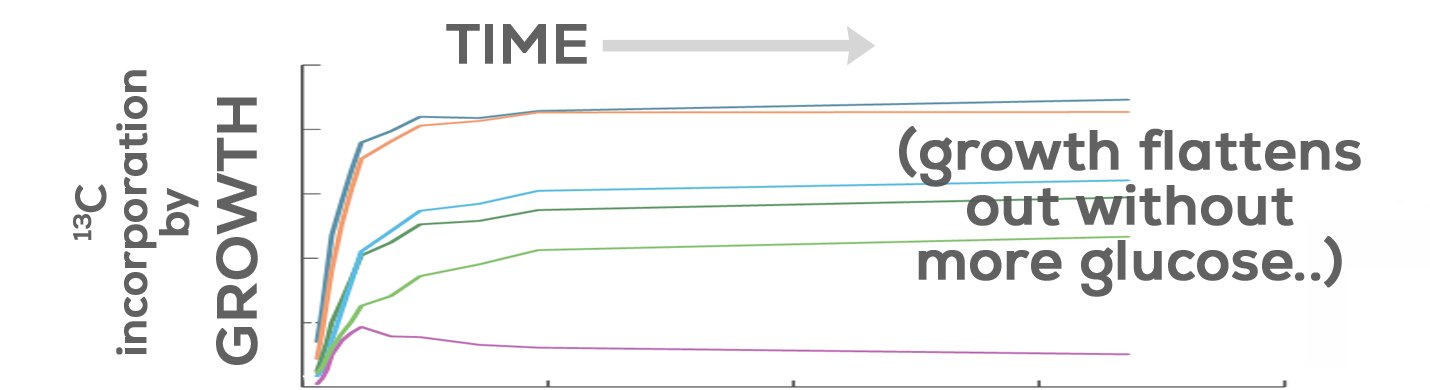
After glucose is added to a soil sample, some microbes grow rapidly, but stop growing when the glucose is depleted, typically within 24–36 hours.
Growth flattens once the glucose runs out.
Microbes need more than just glucose. With only glucose added, microbes signal a strong need for nitrogen, resulting in altered gene expression.
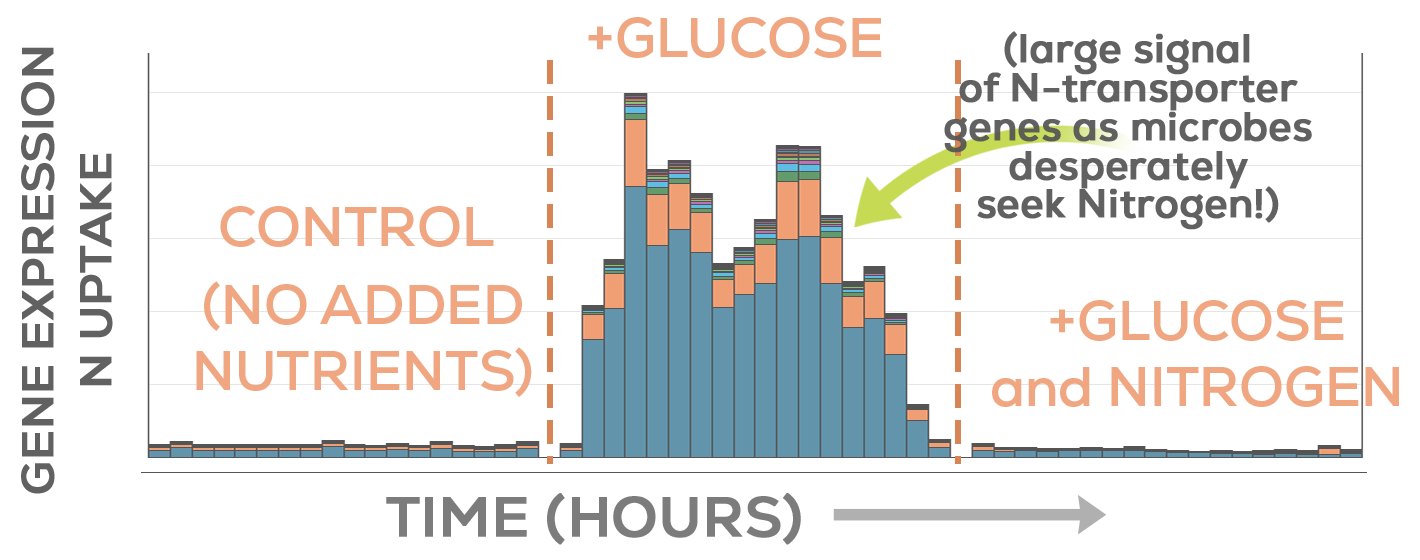
By listening to these molecular messages, we can discover what microbes need and when they need it.
Making microbiomes work (for us)
Gene-expression and growth rates are telling us how microbes are functioning — we only have to listen. If they are limited by some nutrient, we can reduce their stress. This ability to improve microbial functioning can be used to:
- Optimize fertilizer management
- Increase soil C sequestration
- Improve soil structure and water retention
- Reduce soil erosion and dust in arid soils
- Enhance biocrust restoration
By listening to soil microbes, we can acquire a molecular-based mechanistic understanding of soil processes, build healthier soils, more resilient ecosystems, and a more sustainable future.
Donate to support Ecoss
You can support our science by donating directly to the Center for Ecosystem Science and Society (Ecoss) at Northern Arizona University.
Reach out to learn more about our work
Contact Paul Dijkstra.
Illustrations by Victor O. Leshyk. From The Soil Whisperer, Ecoss Sci-Art Show 2026.