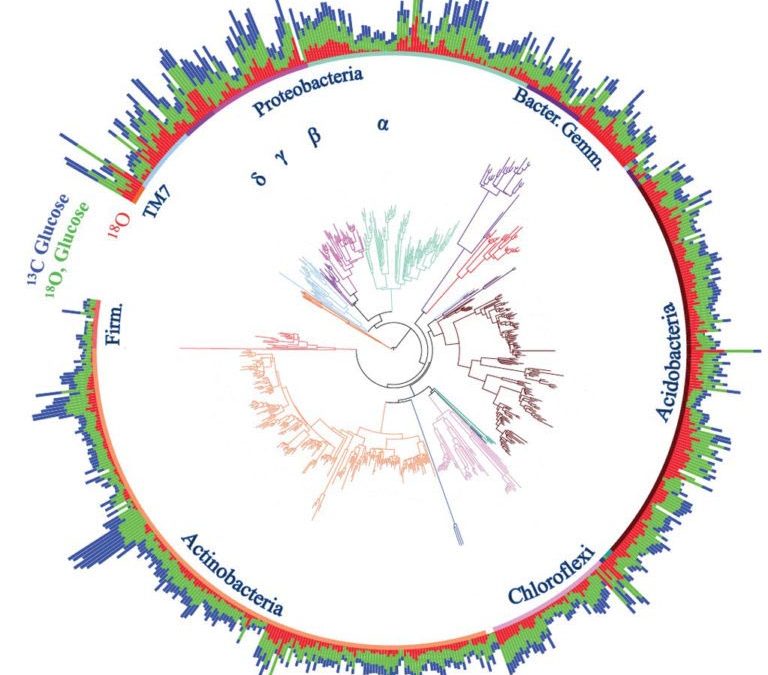
The link between lineage and behavior has inspired research across the spectrum of life. For plants and animals, genetically close cousins tend to act in similar ways. Finches, for example, eat seeds, while swallows eat insects. For bacteria, however, the question is...
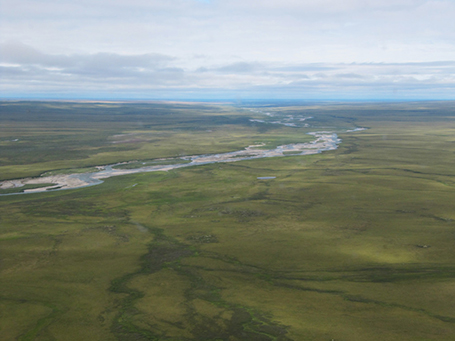
Scientists who study climate and ecosystems in the Arctic have weighed in on future changes in the region affecting soils, streams and wildfire, which will be releasing greater amounts of carbon dioxide and other greenhouse gases into the atmosphere.Because the Arctic...
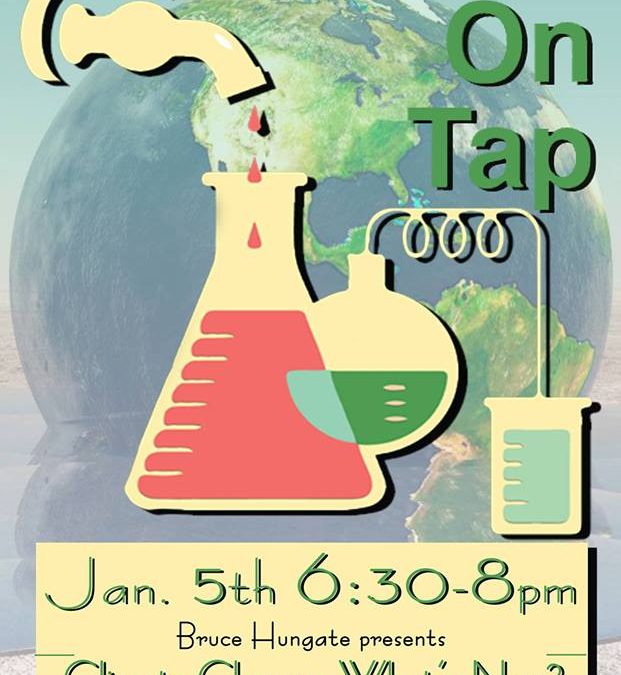
On January 5th, Bruce Hungate presented at Science on Tap at the Green Room, Flagstaff. Featuring an update on the Paris agreement (COP21), new science, legal intrigue, and what Elvis can teach us about climate models.
Several Ecoss members presented at the 2015 AGU fall meeting. Topics ranged from permafrost C cycle responses to climate change, to priming effects on soil C, to forest fires in the Arctic. Below you can find an overview of the presentations; click on the...
Congratulations to Dr. Ember Morrissey, who will begin her new job as Assistant Professor of Environmental Microbiology at West Virginia University in January 2016. Professor Morrissey will join the Division of Plant and Soil Sciences in the Davis College of...
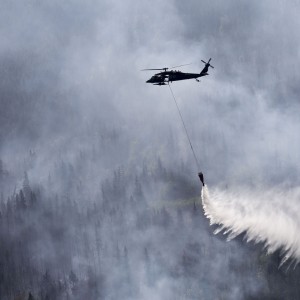
Ecoss researcher Michelle Mack is leading a $1 million NASA-funded project to measure the extreme fire activity in boreal forests and its effects on arctic tundra. Based on the number of acres burned, 2015 is shaping up to be the second most extreme fire year during...