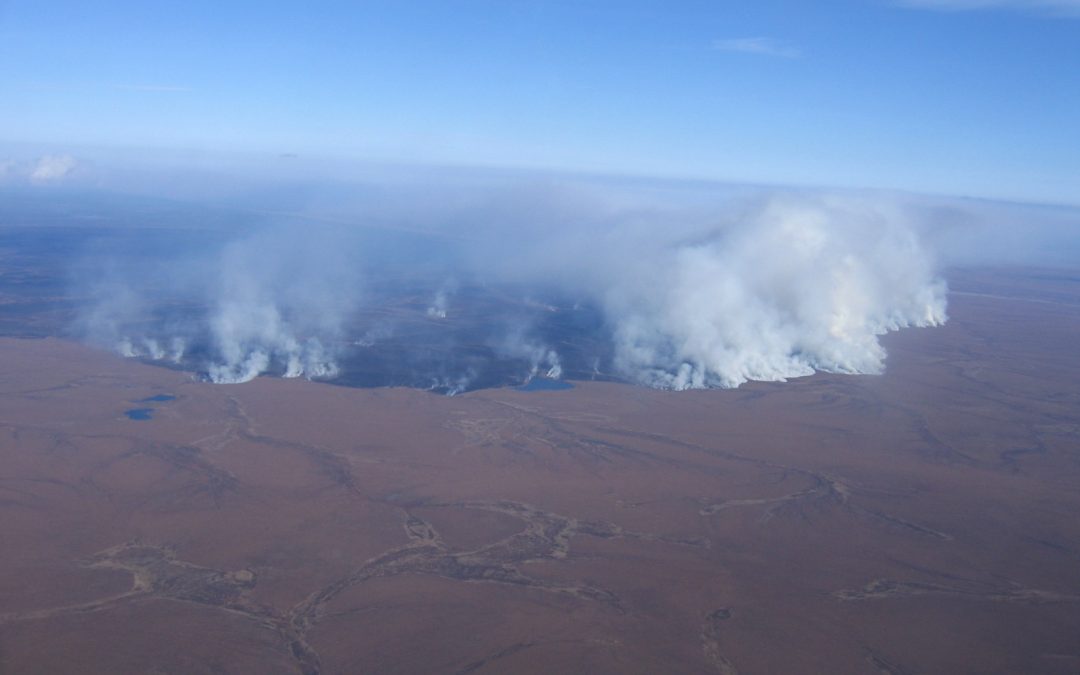
Dr. Michelle Mack will be discussing the future vulnerabilities to Alaskan ecosystems and tools for permafrost assessment during the next resource conservation and resiliency webinar that will be hosted on Thursday, June 29! The webinar is part of the SERDP and ESTCP...
How healthy will Earth’s ecosystems be in 2027, 2067 and beyond? It’s an important question to ask, especially on World Environment Day, June 5. To find answers, scientists affiliated with the National Science Foundation’s (NSF) Long-Term Ecological...
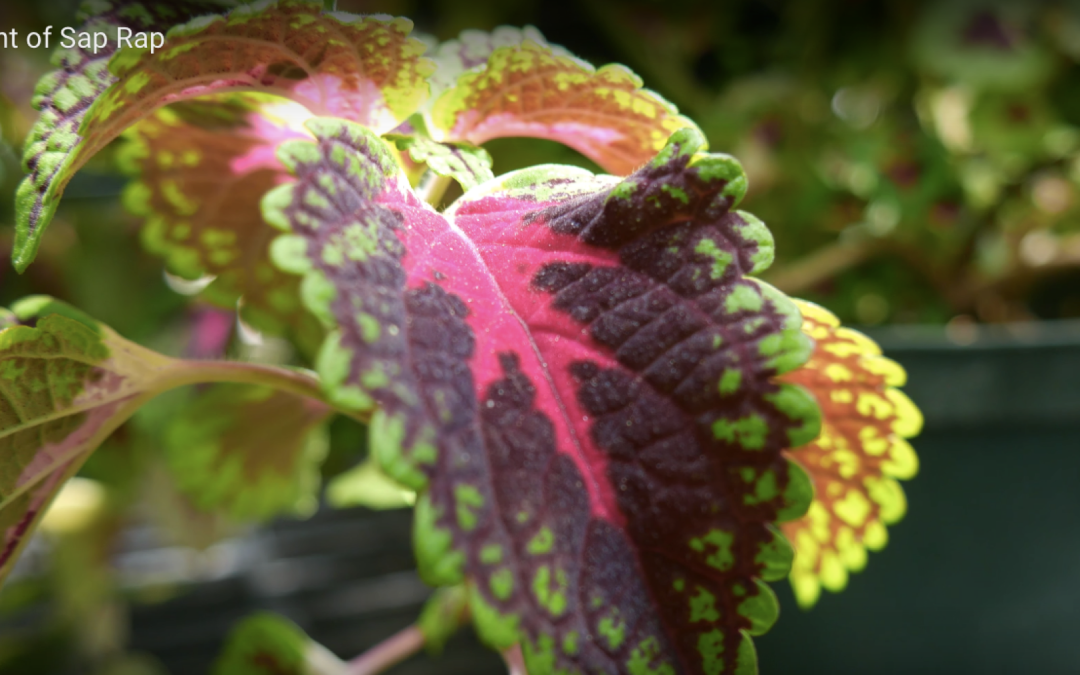
The latest Ecoss artistic product, “The Ascent of Sap Rap”, by George Koch and students from his “Plants and Climate” class. View the full video here. See lyrics below: For plants on terra firma it’s a struggle to stay wet We’ve talked a bit...
Scientists believe that biochar, the partially burned remains of plants, has been used as fertilizer for at least 2,000 years in the Amazon Basin. Since initial studies published several years ago promoted biochar, farmers around the world have been using it as a soil...
Edward A. G. Schuur, a permafrost expert at Northern Arizona University, said the study was “an important and interesting calculation of where permafrost will be at some distant point in the future as we undergo climate warming.” “What’s really important is this is...
Wildflowers splashed across a meadow in different sizes, shapes and colors offer more than just beauty. The natural mix of plant species in an ecosystem—its biodiversity—helps it grow faster and cycle nutrients more efficiently. These ecosystem functions also deliver...